 UNIBORON
Personal and vehicle anti-ballistic armour
B4C is one of the best solutions for high-level ballistic armour performance requiring high hardness and low density.
Boron carbide (B4C) is one of the hardest known materials, ranking third after diamond and cubic boron nitride. It is also the hardest material produced in bulk quantities.
Boron carbide is particularly characterised by:
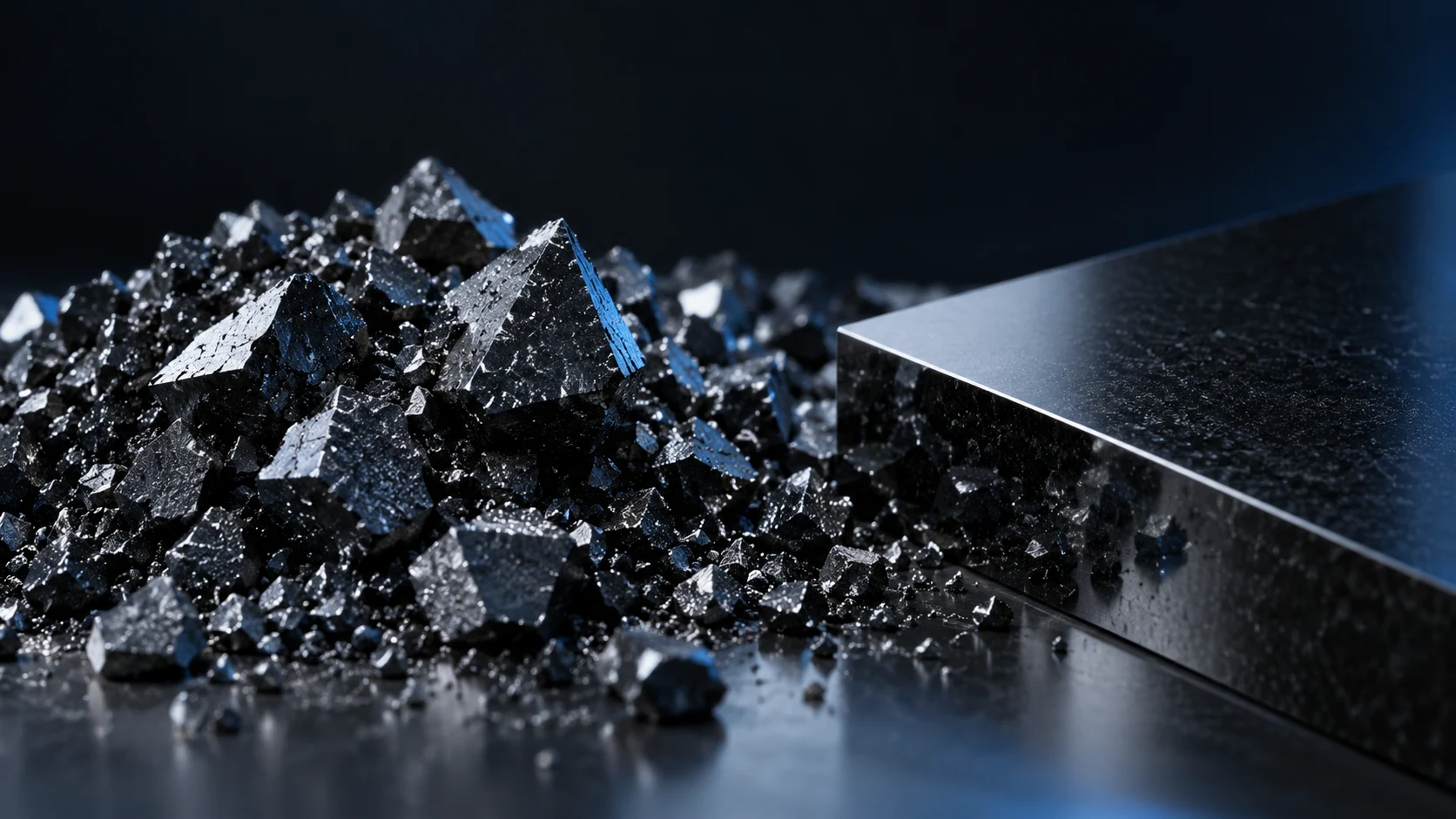 B₄C
B₄CB4C is one of the best solutions for high-level ballistic armour performance requiring high hardness and low density.
B4C is widely used in these demanding applications thanks to its inherent resistance to wear and erosion.
With its high hardness and wear resistance, boron carbide is an important additive in brake pads for high-performance applications.
B4C is added to aluminium alloys to produce modern high-performance metal matrix composites with improved strength, thermal behaviour, chemical inertness and wear resistance.
Boron carbide combined with hydroxyl-terminated polybutadiene fuel grains is used in solid-fuel ramjet engines.
Ferro boron is an iron-boron alloy containing 10–20% boron by weight. It is added to low-alloy steels to increase hardenability (boron steel), can act as a nitrogen scavenger in steel production and is an alloying element used in the manufacture of NdFeB magnets.
Ferro boron applications: steel production to increase hardness, steels used in nuclear power plants due to good nuclear properties, and NdFeB permanent magnets.
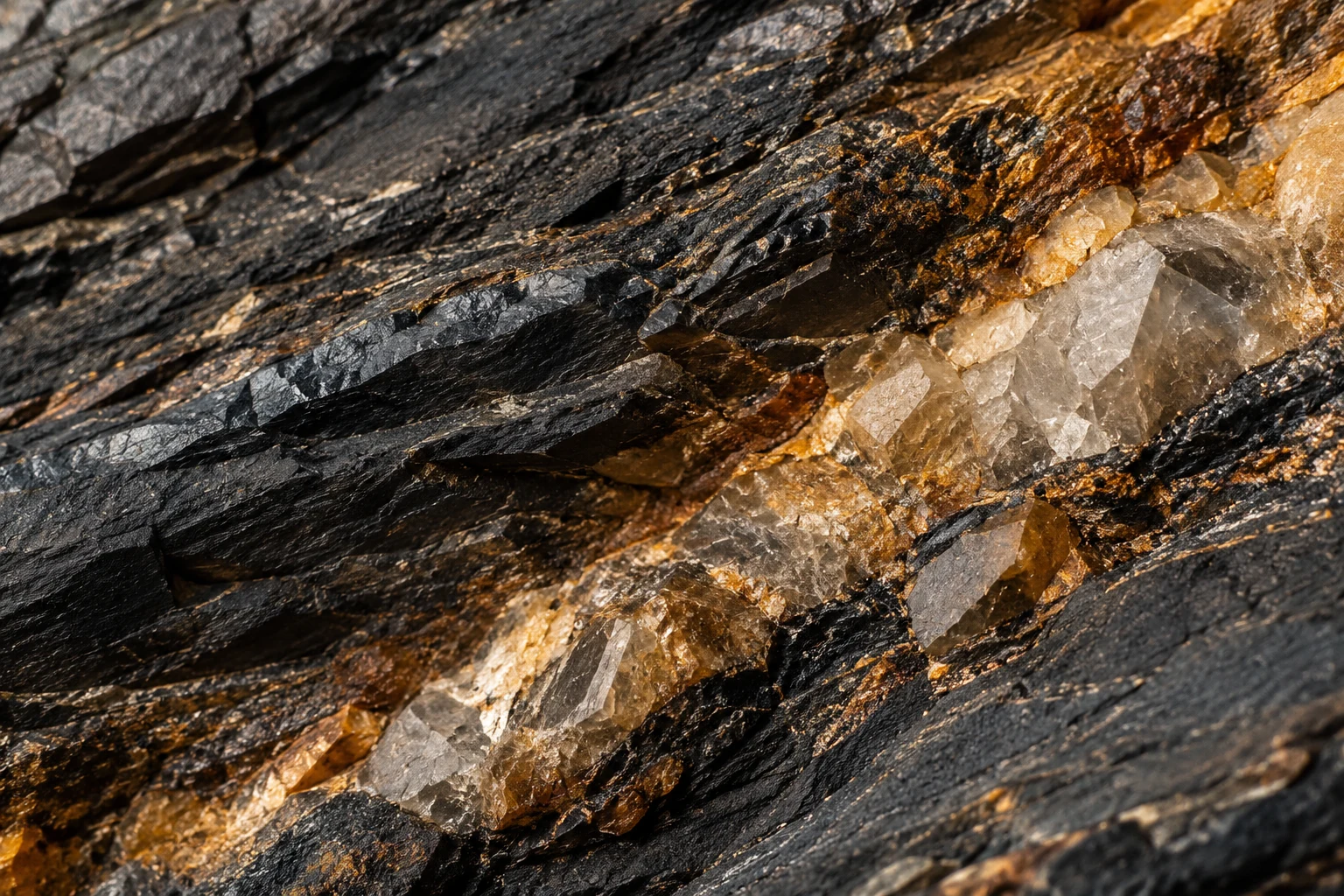 FeB
FeBDue to the high neutron absorption of boron, up to 4% boron is added to stainless steels used in the nuclear industry.
High-tensile-strength hot-formed manganese boron steel (22MnB5) provides weight savings in the European automotive industry.
Approximately 10% of worldwide ferro boron consumption is used in the manufacture of Neodymium-Iron-Boron permanent magnets.
Amorphous metals are also called metallic glasses and are highly unusual and versatile materials. Despite being very dense, they are also very flexible. High elastic stiffness and high hardness provide numerous advantages in the production of amorphous components.